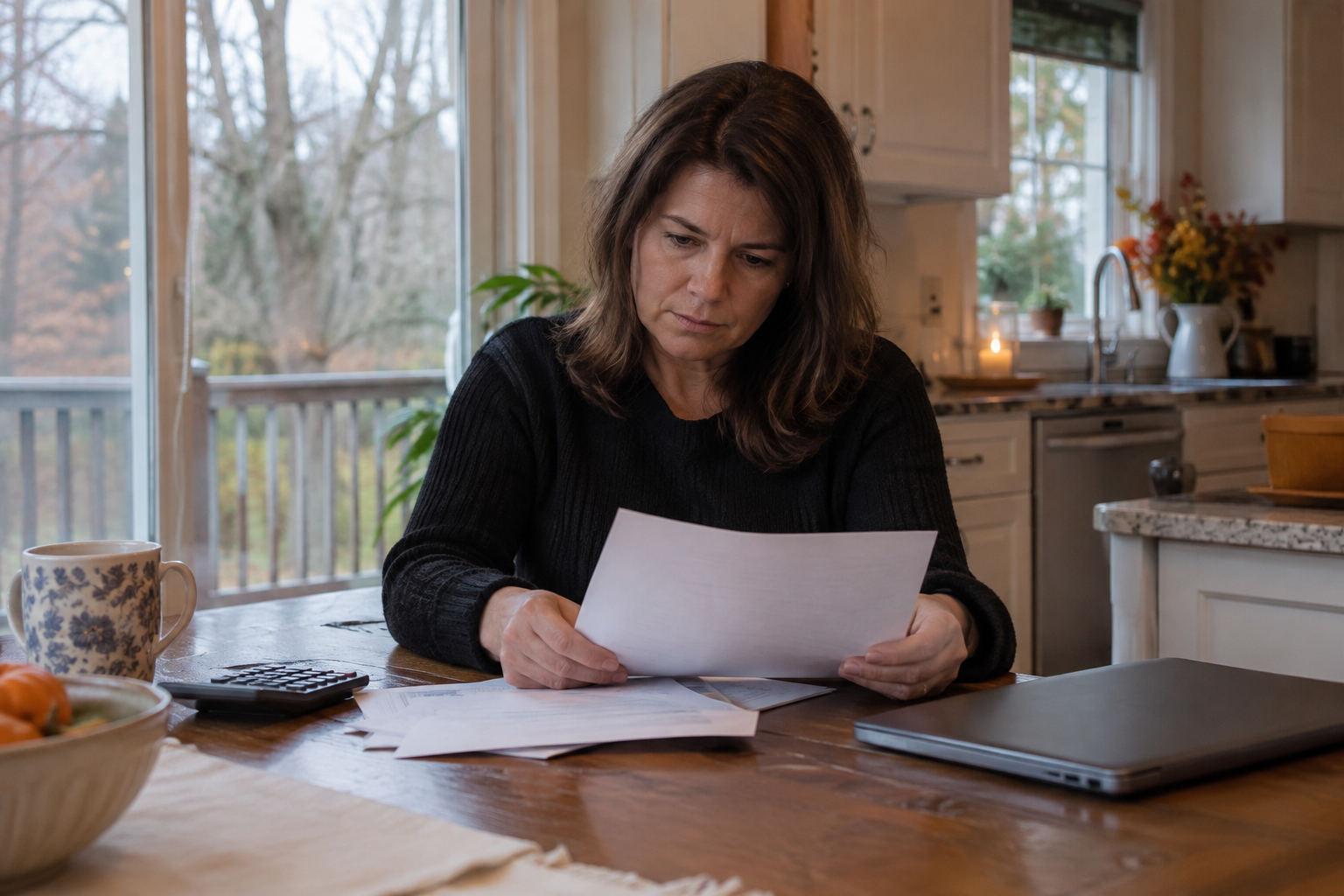
The first noticeably higher heating bill of November can make you wonder whether something is wrong with your system. As Pittsburgh temperatures fall, your home needs more heat, but weather is only one part of the bill. Before assuming your furnace or boiler is wasting energy, take a closer look at what changed.
Start with energy use rather than the dollar amount: gas bills typically show therms or CCF, while electric bills show kilowatt-hours. Compare the number of days in each billing period, check whether the meter reading was actual or estimated, and look for changes in supply rates or delivery charges. A larger bill with similar energy use may reflect pricing rather than a heating problem.
Next, put that usage in context. A colder billing period generally requires more heating, even if you have not touched the thermostat. For a homeowner in Dormont comparing this November with last November, usage per day is a better starting point than the monthly total, though differences in outdoor temperatures still matter. Some utility tools include weather comparisons or heating degree days, which help explain how much heating demand changed.
Think about changes inside the house, too: more time working from home, a newly heated room, or frequent electric space-heater use can all add demand. In a Wexford home with gas heat, a portable electric heater will affect the electric bill rather than the gas bill, so review both before judging overall heating costs. Check accessible window and door weatherstripping for obvious gaps, but never seal combustion-air openings or exhaust vents.
A bill alone cannot diagnose equipment trouble, but rising usage paired with weaker comfort, unusual noises, or difficulty reaching the set temperature deserves attention. Keep supply registers and return grilles unobstructed, and note when the symptoms occur. An HVAC technician can check operation and identify whether a repair, airflow correction, or another improvement is warranted rather than guessing from the bill.
If your heating costs have changed and you are not sure why, contact MRT HVAC Contracting to discuss your concerns or schedule a heating evaluation. Having recent bills and a few notes about comfort changes available can help guide the conversation. Our family-run team has served Greater Pittsburgh for over 30 years, helping homeowners make informed decisions about their heating systems.
Need a hand with your system?
MRT HVAC serves Greater Pittsburgh with repairs, replacements and 24/7 emergency service.